Department of
Technical Systems,
Processes and
Communication

Biofibres and Paper

You can find general information about our degree programme here

Further information on the degree programme


High-tech

Bio-based fibres in paper form are part of our everyday lives. However, the global high-tech industries behind them are less well known. Modern paper machines, which are more complex than jumbo jets, produce paper at speeds of over 2,000 m/min, up to 10 m wide and less than 0.1 mm thick. Every day, they produce 2,450 km of paper web – roughly the distance from Stockholm to Sicily.


Sustainable and Innovative

The use of recycled paper as a raw material is on the rise. Germany is a global leader with a recycling rate of over 70 per cent and provides the paper industry with technologies for producing high-quality paper made from 100 per cent recycled biofibres. Companies are constantly refining existing products and processes and creating new solutions for the 3,000 different types of paper, with a focus on environmental sustainability and energy efficiency.


Top-quality, practically-oriented training

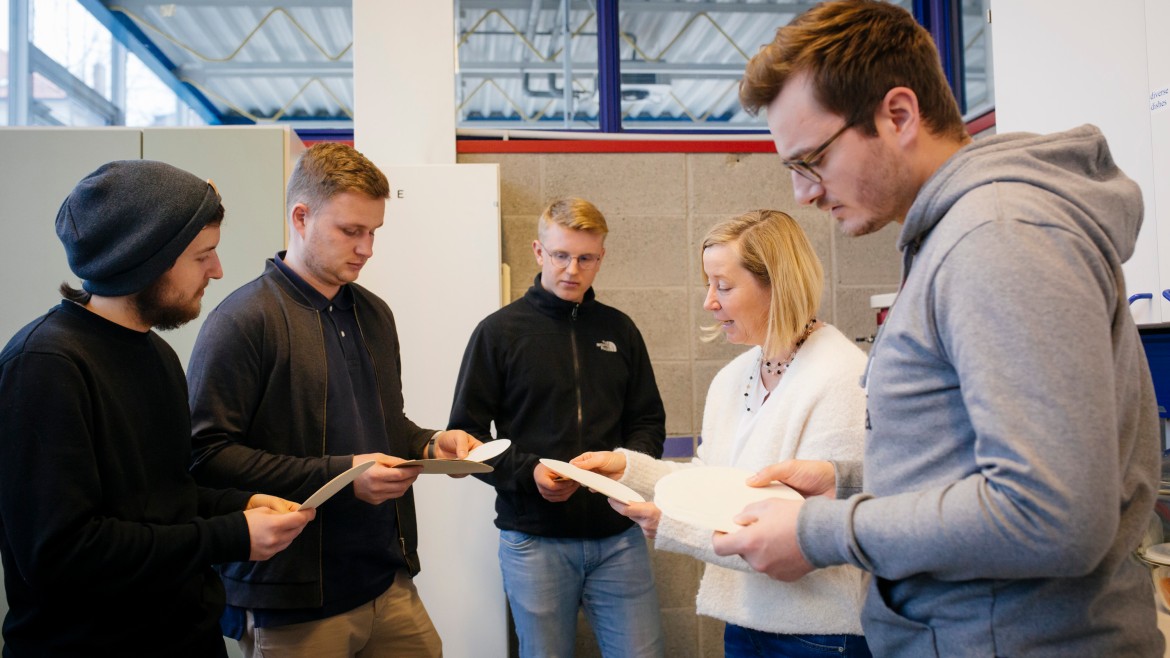
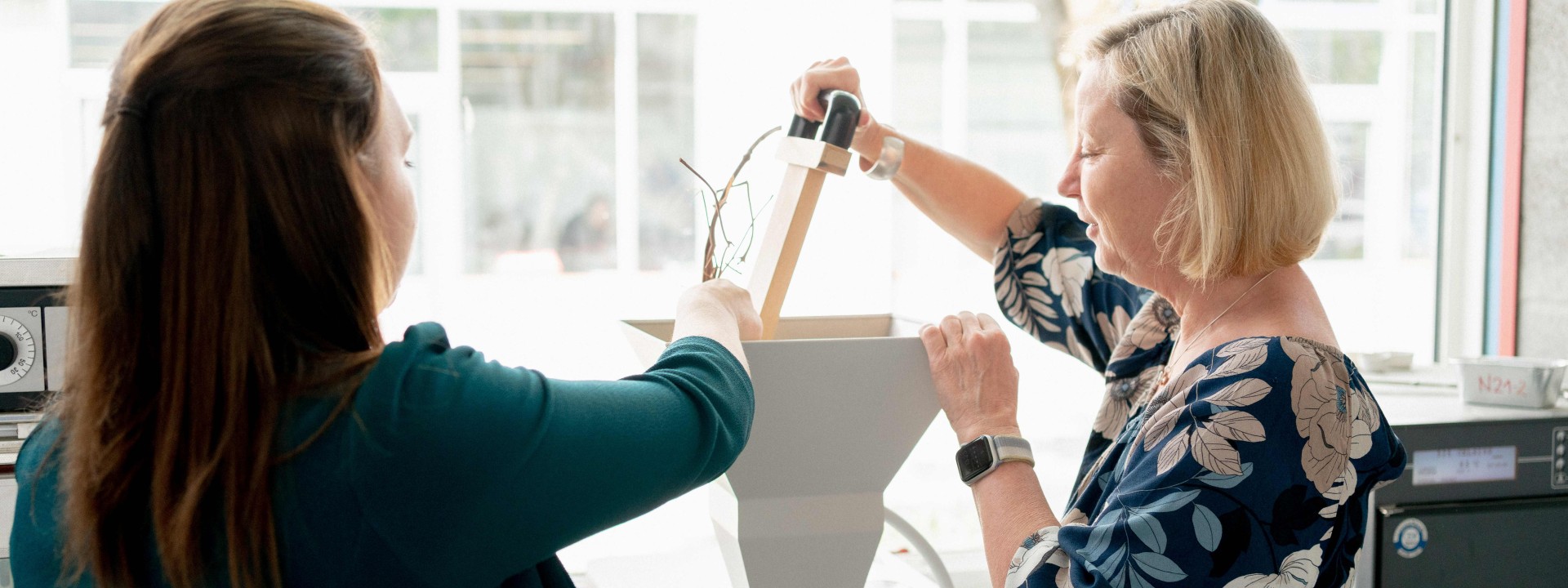
Hochschule München is one of the largest centres of education for biofibres and paper production in Europe. Students from Germany and abroad account for over 50 per cent of all Bachelor’s graduates in paper technology in the German-speaking world. Practice-oriented teaching, internships and industry contacts provide insights into future careers, with the aim being: ‘not just knowledge, but practical skills too’.


Excellent study conditions

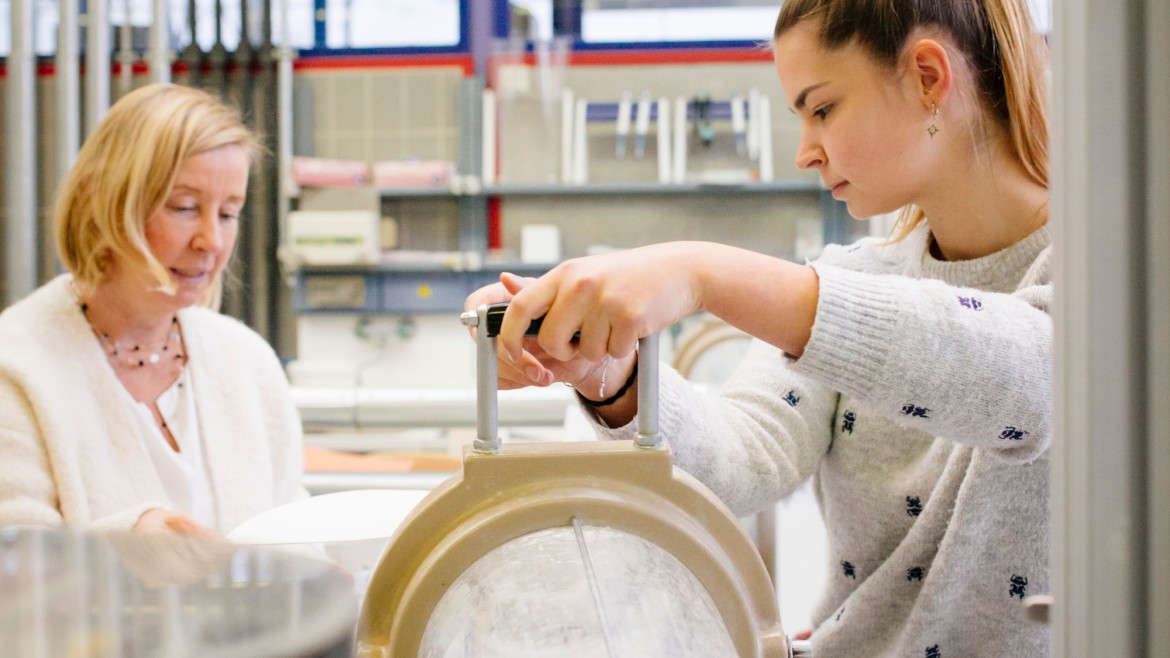
Substantial investment by the paper industry in existing plant and equipment, as well as the university’s own affiliated institute with a state-of-the-art experimental paper machine, demonstrate to students what is possible today. Small study groups and a personal relationship with the lecturers – all of whom have industry experience themselves – further contribute to the overall excellent study conditions.


Course structure

In the first two semesters, students learn the fundamentals of natural sciences and engineering. Semesters 3 and 4 cover subjects such as process engineering, paper chemistry and pulp. The fifth semester is a practical semester. In the sixth semester, students choose specialist and general science modules. The final semester focuses on the bachelor's thesis, which is carried out within a company, alongside compulsory-elective and compulsory modules.


Network

Students are offered a wide range of extracurricular events and networking opportunities. These include numerous networking events, as well as access to (international) conferences, the chance to take part in field trips, and regular talks by companies and subject experts.


Accreditation

The degree programme is accredited by the Accreditation Council Foundation.

What our students and alumni have to say

Student Advice Centre

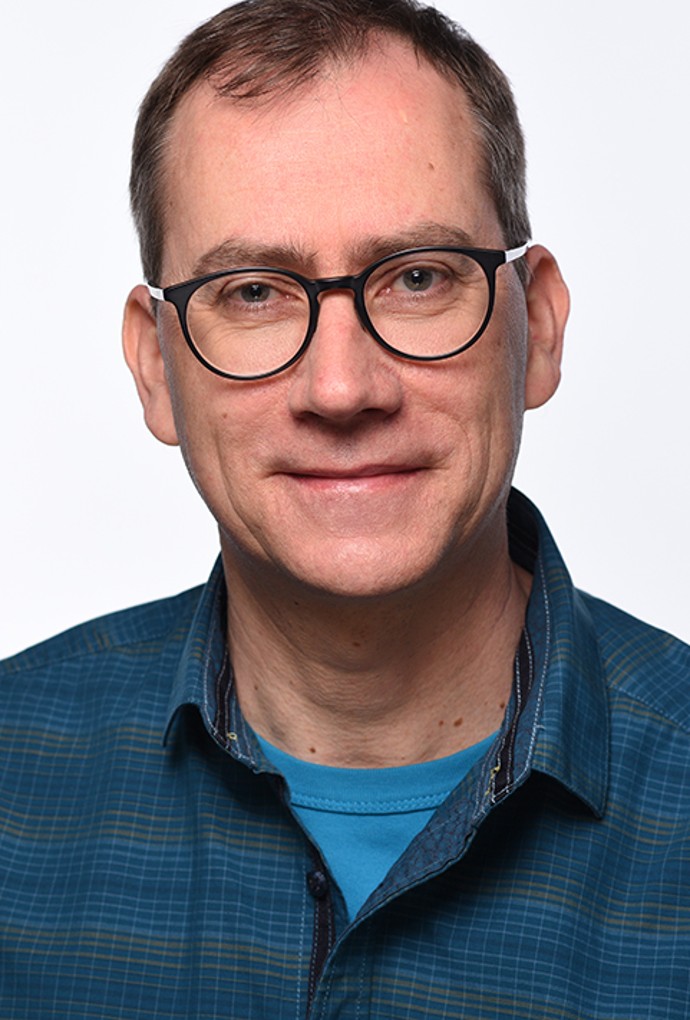
Prof. Dr. rer. nat. Jürgen Belle Room: G 3.34

T +49 89 1265-1572

Email
Profile